
Outside/In
Incarceration, Nature and Mental Health

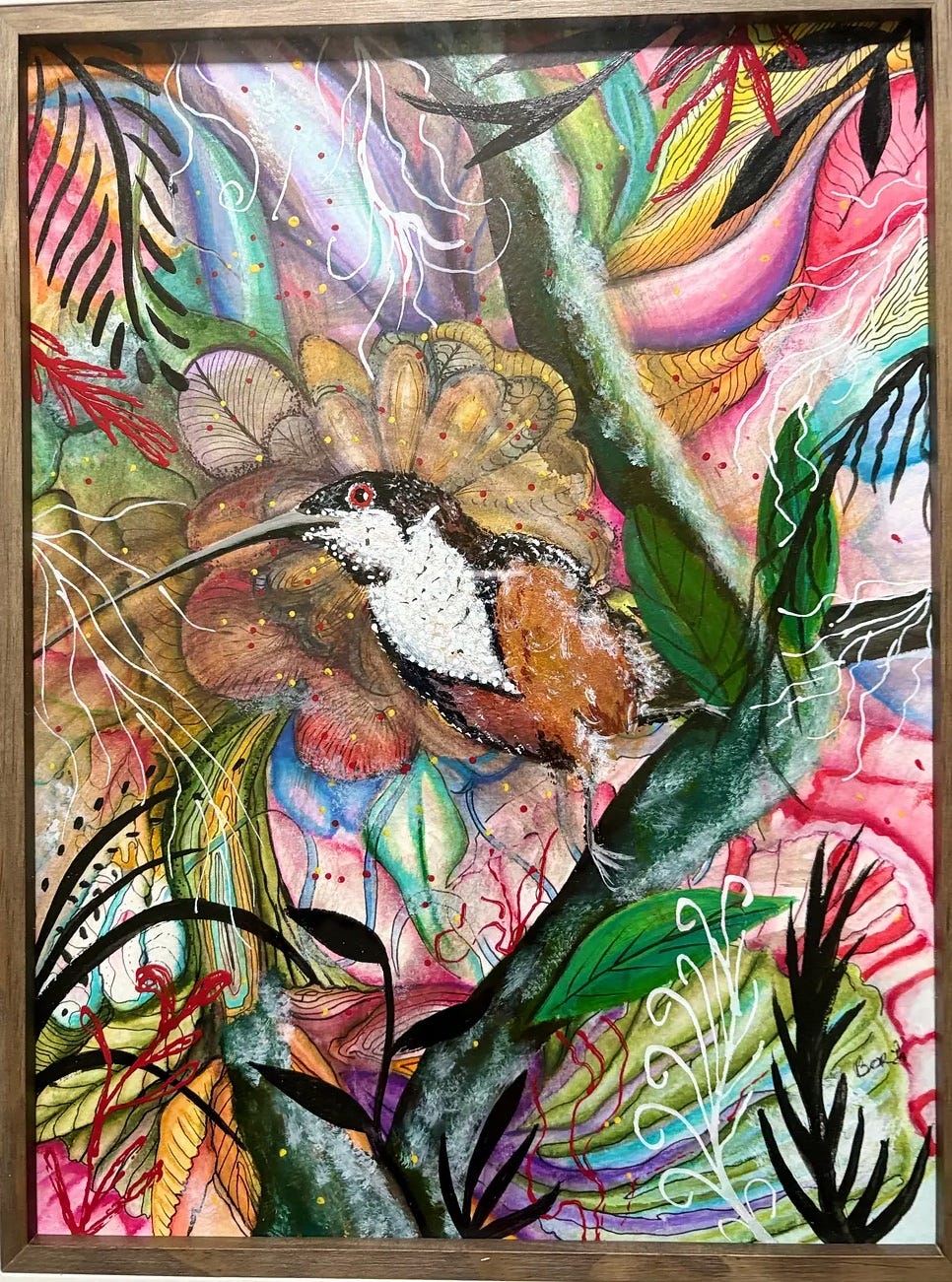
The greens of early summer are staggeringly beautiful this year. And the cumulus clouds sailing across the rich blue - whoa! Even the honeysuckle smells sweeter.
As I write this I realize that my attunement to nature’s colors are likely a result of having taken up painting. Painting forces you to pay attention in a more intense way.
What’s all this got to do with prison?
Even as I walk on local trails or fill my planters with deep pink begonias, I’m conscious that thousands of people are incarcerated not far from here. I live in the country - bucolic, yes, but also home to at least half a dozen human warehouses, aka prisons.
One of the first things that struck me when I started working inside correctional facilities is how devoid they are of the natural world and its calming effects.
Nothing on the inside is soothing or gentle or beautiful. The colors of the walls are grey and beige. Ditto the flooring. There is no natural light. No fresh air. Cement is a common building material.
Prison is not only harsh in its contours, but also incredibly noisy, and guess what? It’s not with bird song or gentle breezes stirring branches. It’s jarring - metallic, clanging, walkie-talkie static, yelling and keys jangling.
Yes, there is “the yard” - usually a concrete floored area surrounded by a fence, topped with rolls of barbed wire. It’s definitely better than staying indoors for decades on end, but it’s not not exactly inspirational. And from what I’m told, a lot goes down in the yard.
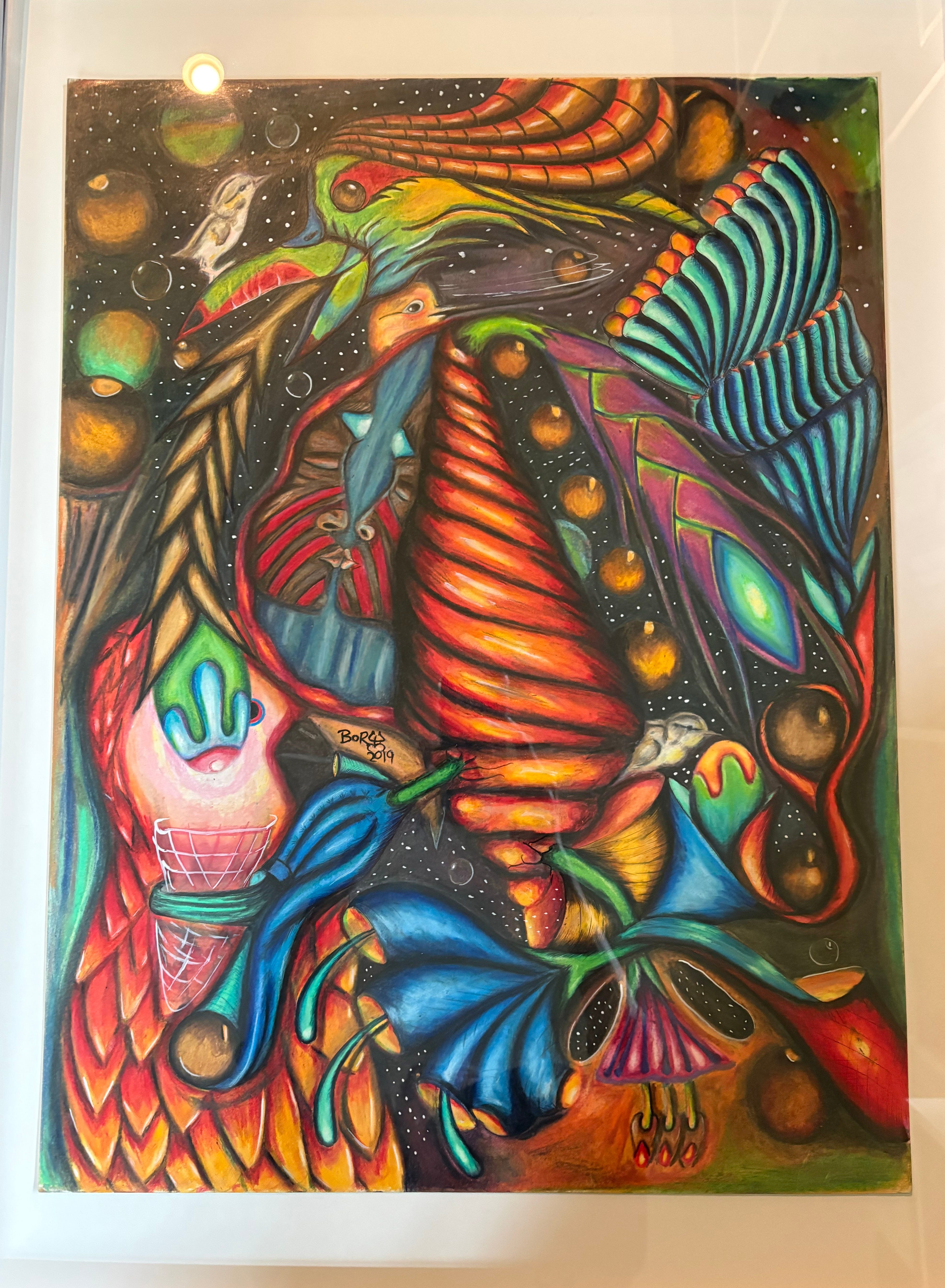
Well, sure, it’s a prison. But it’s one thing knowing it and another to experience it.
There is plenty of research on the mental health benefits of time spent in nature. According to the Mayo Clinic, multiple studies have shown that spending time outdoors can improve mood, lower anxiety and improve cognition and memory. What’s more, time spent in the outdoors can lower stress and decrease anger.
It’s not surprising then, that researchers have looked at these benefits through the prism of incarceration. A study in England and Wales found “significant associations between green space and prisoners’ self-reported well-being,” with a correlation between access to nature and a drop in self-harm and violence in prisons. Tensions lower and behavior improves.
In the US, much of the study has centered around solitary confinement and deterioration of mental health. There is significant case law around prisoner’s rights to access to the outdoors, which varies by state and type of prison.
Summer is upon us now, and while I look forward to hiking in the mountains and sitting on the shores of a lake, most of the 1.2 million people currently incarcerated in the US will be in locked in unhealthily hot cells, with stress, anger and violence building.
There’s no political appetite for giving prisoners access to green spaces. But if you are outside, take a deep breath, touch grass and look at the sky. And be grateful that you can.
On a sunnier note (nature metaphor intended) this post is illustrated with paintings by Hector (Bori) Rodriguez, who’ve I mentioned before in this Substack. Hector was incarcerated for 27 years. He’s out now and I bought the beautiful painting of the hummingbird at the top of this post at a recent show he had. The other was painted while he was still locked up, and it still amazes me that he could see the colors in his head.
What a stunning piece of art by Mr Rodriguez and how lovely of you to purchase it. I appreciate your writing and am glad you popped up today. Much to think about here; nature, humanity, mental health - I admire your work.
Always happy when your name pops up on SubStack. I’ve followed you from the beginning of time. The art by Mr Rodriguez is, as is said above, stunning. Lucky you. Thanks for sharing it and your thoughts with us.